


Mitkus at the EU General Affairs Council: we must maintain the momentum of EU enlargement, particularly Ukraine’s and Moldova’s European integration
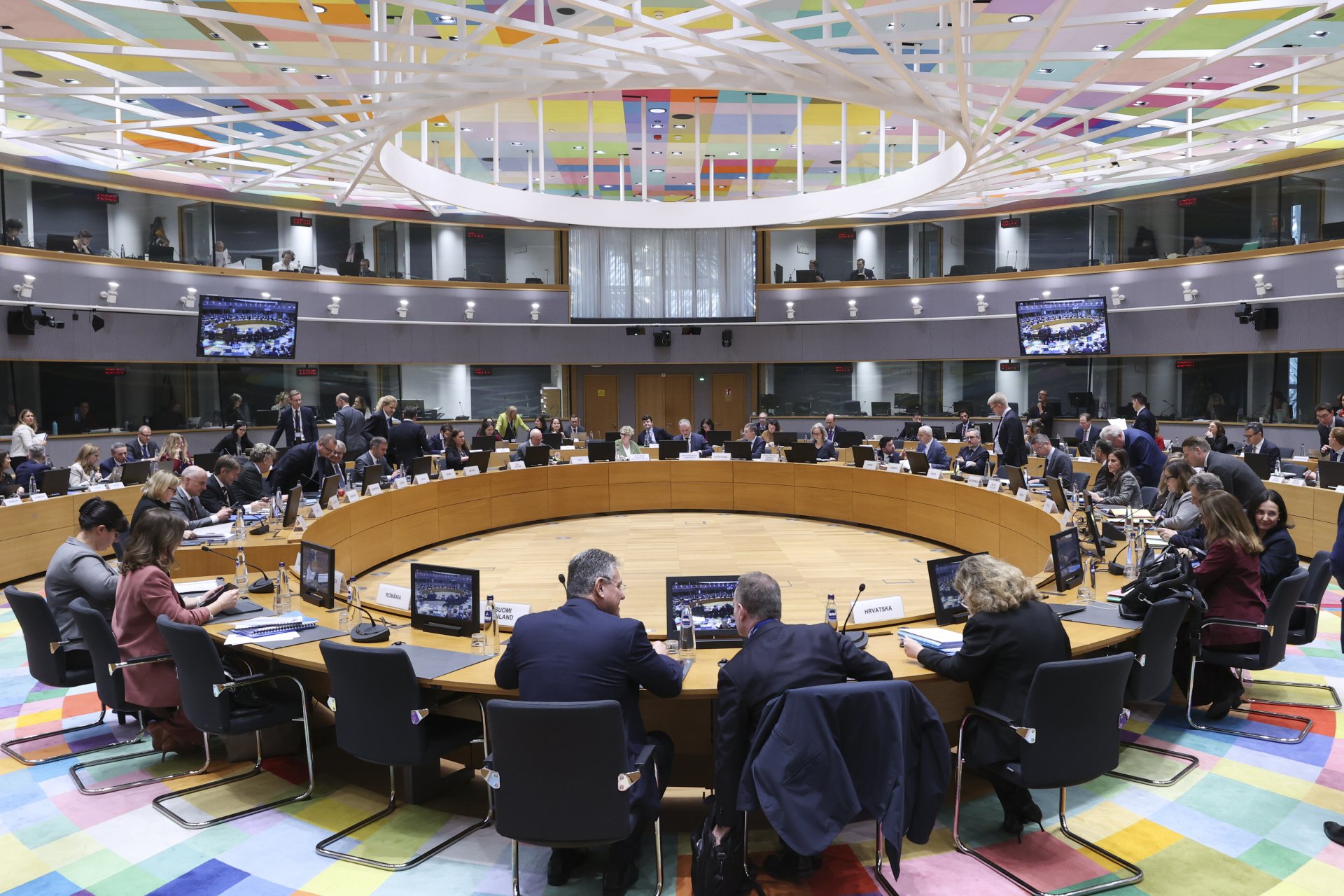
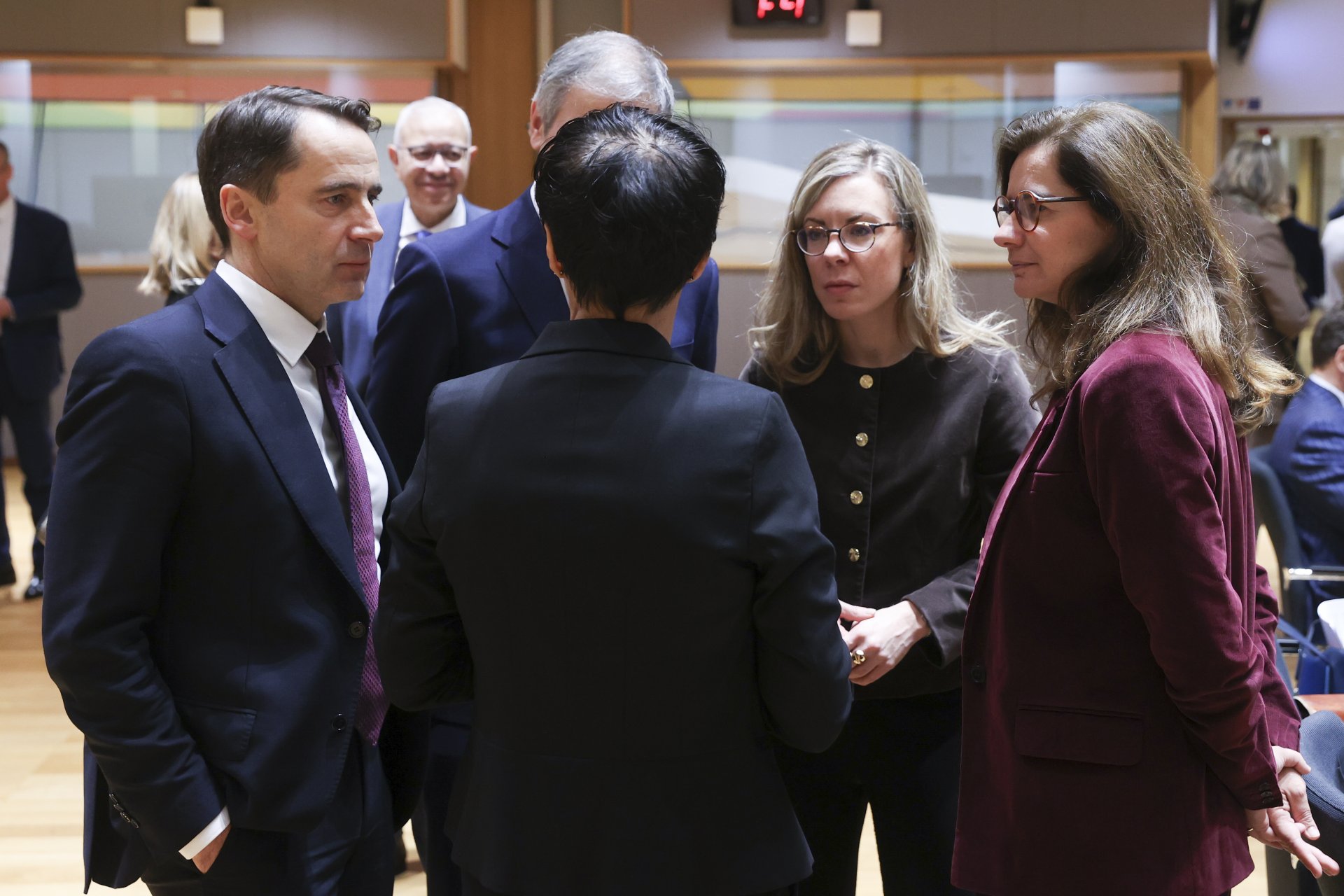
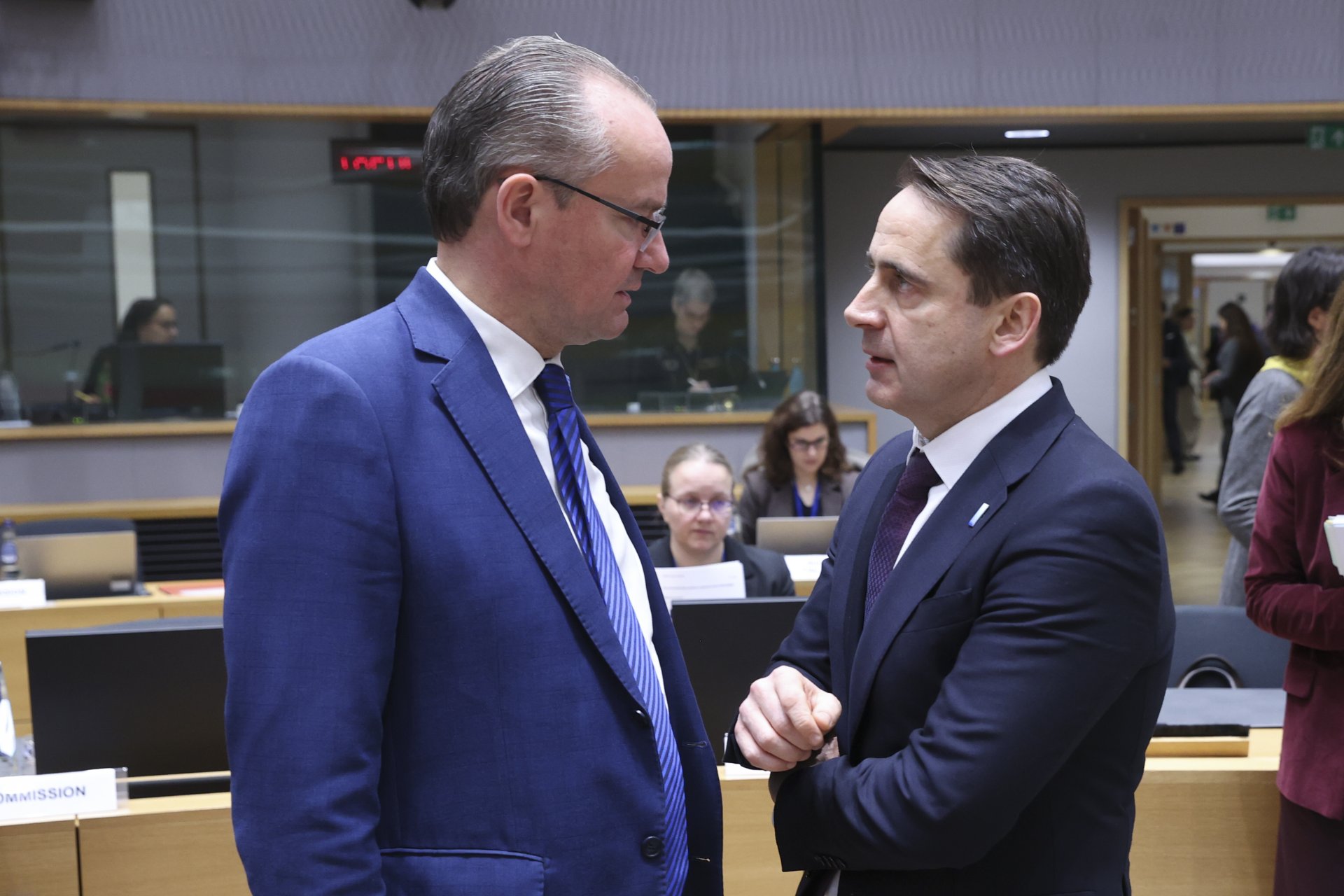
On 19 November in Brussels, Vice-Minister of Foreign Affairs Sigitas Mitkus attended a meeting of the European Union (EU) General Affairs Council (GAC), which discussed Lithuania’s progress in upholding the rule of law, the European Commission’s 2027 work programme, the simplification of EU legislation and implementation of the EU Preparedness Union Strategy. Ministers also exchanged views on EU enlargement.
During an informal breakfast, ministers discussed the prospects for EU enlargement. Mitkus reaffirmed Lithuania’s support for a faster, credible and merit-based enlargement process and stressed the need to maintain the momentum of Ukraine’s and Moldova’s EU integration and to work towards opening negotiations on the two remaining clusters by the end of 2026.
“EU enlargement is a strategic investment in Europe’s security and stability. We must maintain the momentum of Ukraine’s and Moldova’s European integration and open the remaining negotiating clusters as soon as possible. Enlargement must be based on genuine progress and merit,” vice-minister Mitkus stressed.
During the rule of law dialogue, ministers discussed the situation in Lithuania, Hungary, Luxembourg and Cyprus. The dialogue is part of the EU’s regular annual process whereby, on the basis of a report prepared by the European Commission covering all 27 Member States, Member States assess the rule of law situation, discuss progress made and share good practices.
The European Commission positively assessed Lithuania’s progress in implementing previous recommendations and identified no new rule of law concerns.
“Lithuania is consistently strengthening the rule of law and implementing changes to improve the functioning of its institutions. The progress recognised by the European Commission shows that sustained efforts are delivering results. We will continue working to improve the procedure for selecting judges and the legal aid system,” Mitkus noted.
In discussing the implementation of the EU Preparedness Union Strategy, Lithuania emphasised the importance of regularly assessing progress. Lithuania’s key priorities in implementing the Strategy include improving the EU’s common threat assessment, ensuring closer civil-military cooperation, including with NATO, and strengthening societal resilience, drawing also on Ukraine’s experience.
“We must move from responding to crises to systematically preparing for them. This requires a common threat assessment, close cooperation with NATO and concrete measures to strengthen the resilience of society as a whole,” Mitkus said.
On the simplification of EU legislation, Lithuania supports the European Commission’s efforts to reduce administrative burdens and strengthen EU competitiveness. Lithuania emphasised that initiatives to simplify EU regulation must deliver tangible benefits for businesses, particularly small and medium-sized enterprises.
“Simplification must make it easier for businesses to invest, grow and innovate. However, the principles of better regulation must be applied from the very beginning of the legislative process, rather than only when amending legislation that has already been adopted,” Mitkus stressed.
In presenting its 2027 work programme, the European Commission highlighted security, resilience and competitiveness as key priorities. Lithuania welcomed the initiatives included in next year’s legislative programme that correspond to the priorities of Lithuania’s Presidency of the Council of the EU in 2027. Of particular importance are efforts to remove barriers in the Single Market, reduce administrative burdens, strengthen economic security and reduce strategic dependencies.
Social media


